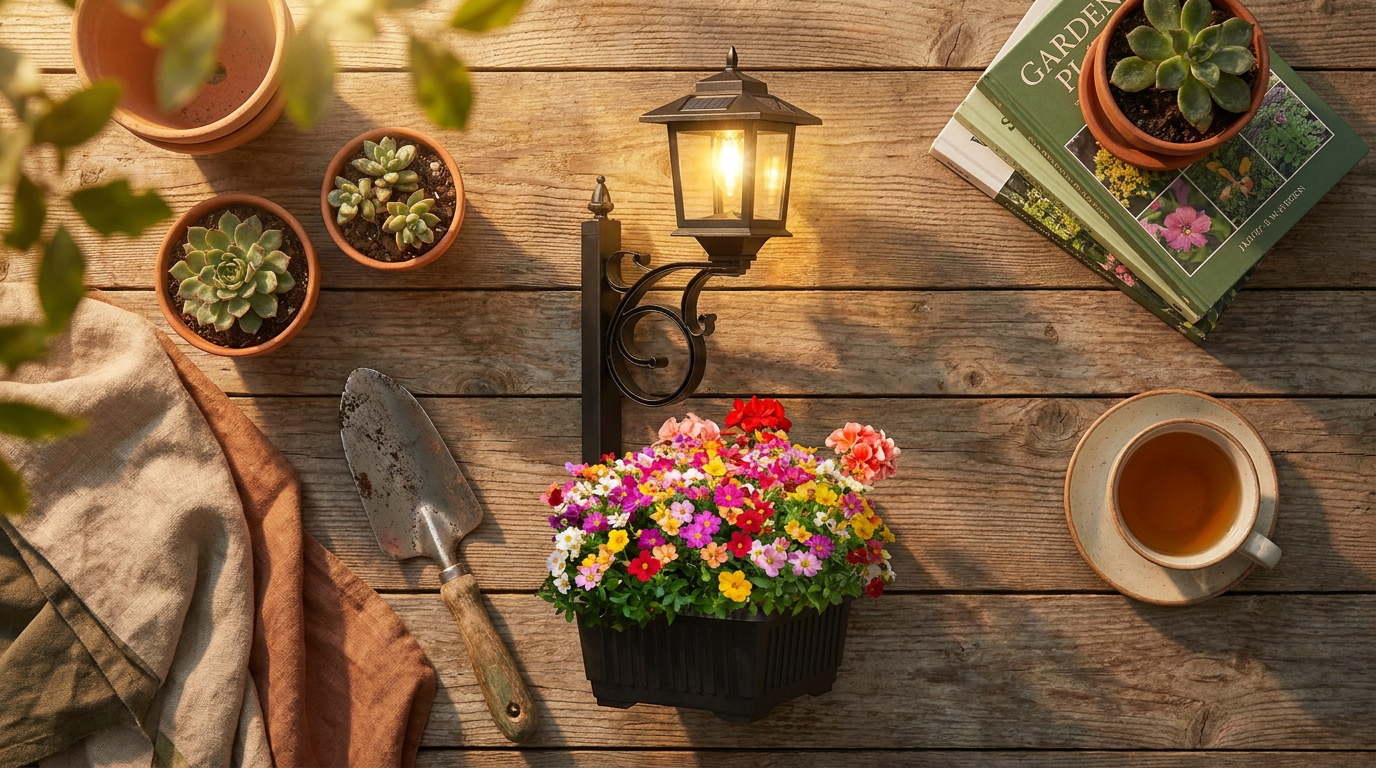
Solar Planter Lamp Solutions for Modern Landscapes
 Sam VasquezBuying Guide Lead
June 10, 2026. This guide examines how integrated LED technology and solar power solve common outdoor lighting challenges for homeowners. It is designed for consumers looking to blend functional illumination with botanical displays.
The Challenge of Outdoor Lighting and Greenery
Finding a way to light a walkway while maintaining a lush garden often feels like a trade-off between electrical wiring and plant placement. Traditional low-voltage systems require trenching and professional installation, which can disturb existing root systems and increase costs significantly. Many homeowners settle for basic stakes that don't provide enough light or aesthetic value. According to Raw Rutes, tall garden planters with solar lights are designed to illuminate gardens at night with an included solar light kit, creating a serene and enchanting ambiance rather than just acting as a decorative accent. This dual-purpose approach is gaining traction because it maximizes vertical space.
I often see people struggle with light up flower pots that look great during the day but fail to hold a charge by 9:00 PM. The problem usually lies in the surface area of the solar panel relative to the power draw of the LEDs. When you are looking at solar powered flower pot lights, you have to consider the orientation of your patio. If your garden is shaded for half the day, a standard integrated unit might struggle. Between the various options on the market, I've noticed that the most successful designs are those that prioritize the solar cell's exposure while keeping the electronics protected from the moisture inherent in a planter. If you're on a budget, you might be tempted by cheap plastic inserts, but these rarely survive a full season of watering and UV exposure.
How Solar Planter Lamp Integrates Technology
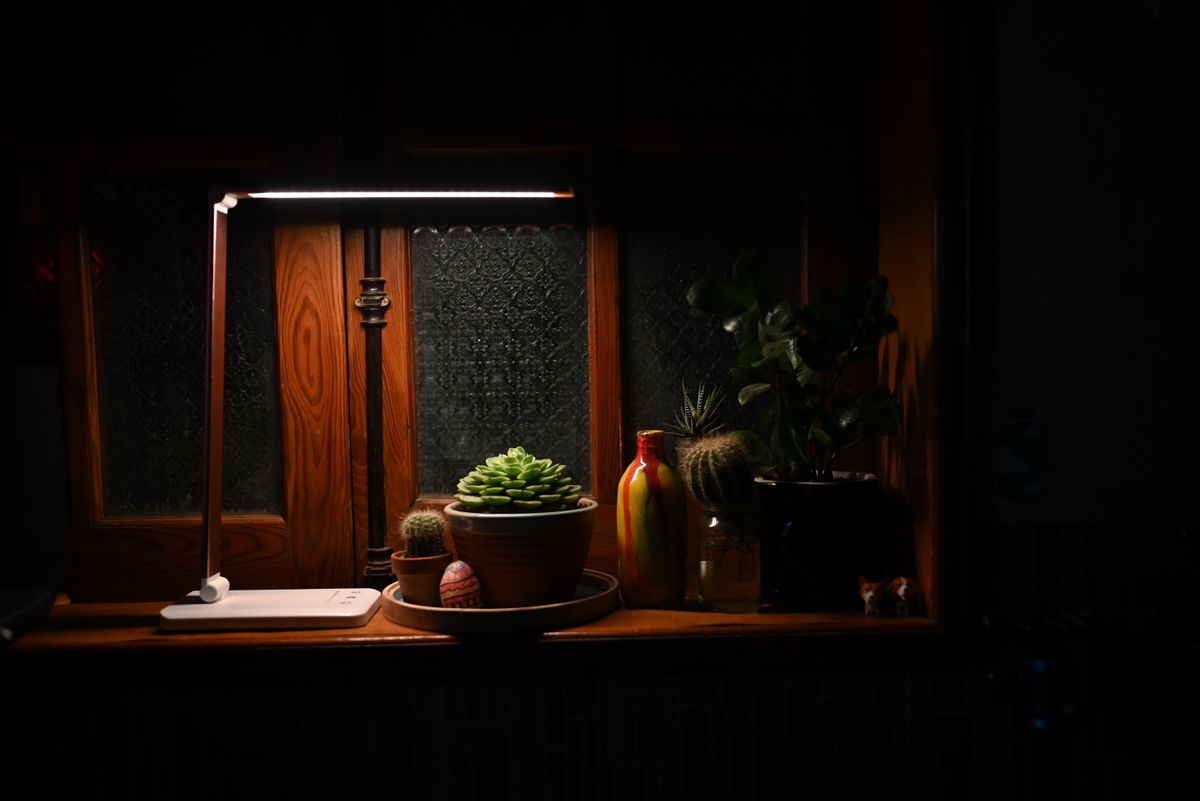
Photo by Duc Anh Nguyen on Pexels
Solar Planter Lamp addresses these specific durability and performance issues by using a 2-in-1 design that functions as both a waterproof flower pot and a 3000K warm light source. Based on my review of the specs, the integration of a 3000K LED provides a soft, inviting glow that avoids the harsh blue tint common in lower-end solar products. This temperature is ideal for highlighting the natural colors of petals and foliage without washing them out. When evaluating illuminated outdoor planters, the waterproof rating is the most critical spec. Solar Planter Lamp is built to withstand direct watering and rain, which is a common failure point for DIY solar conversions.
Here's what I'd actually buy: the 2-pack configuration. Most outdoor spaces require symmetry or a sequence of lights to create a cohesive look. A single light often looks like an accident, whereas a pair flanking a doorway or a set of four along a path creates a professional-grade lighting design. Skip this if you have a north-facing balcony with zero direct sunlight; no amount of high-quality engineering can overcome a total lack of photons. However, for most suburban yards and sunny patios, these units provide enough lumens to define a space without the need for an electrician. The Solar Carriage Lanterns mentioned by Natures Solar Lights also utilize warm white LED bulbs to show off colorful planters, confirming that the industry is moving toward these warmer, more natural tones for residential use.
Selecting the Right LED Garden Planter
Choosing the right hardware depends on your specific layout and the types of plants you intend to grow. Not all light up flower pots are created equal in terms of soil volume and drainage. When you are comparing solar powered flower pot lights, look closely at the depth of the planting basin. Some designs sacrifice root space for battery compartments, which can stunt the growth of larger perennials. Between the Solar Planter Lamp and generic alternatives, I'd go with the former because it balances the structural integrity of the pot with the electronic housing.
Before making a purchase, use this checklist to ensure the product fits your environment:
- Check the Kelvin rating of the LED; 3000K is the sweet spot for a warm, high-end look.
- Verify the planter has adequate drainage holes to prevent root rot while keeping the battery compartment dry.
- Measure the solar panel surface area to ensure it can gather enough energy for your specific latitude.
- Confirm the material is UV-stabilized to prevent the planter from becoming brittle in the sun.
- Assess the weight of the base; taller illuminated outdoor planters need enough ballast to prevent tipping in high winds.
Sources
Photo by Artūras Kokorevas on Pexels
- Tall Garden Planters with Solar Lights - Raw Rutes
- Outdoor glow - Instagram
- Flower Solar Lights & Planters