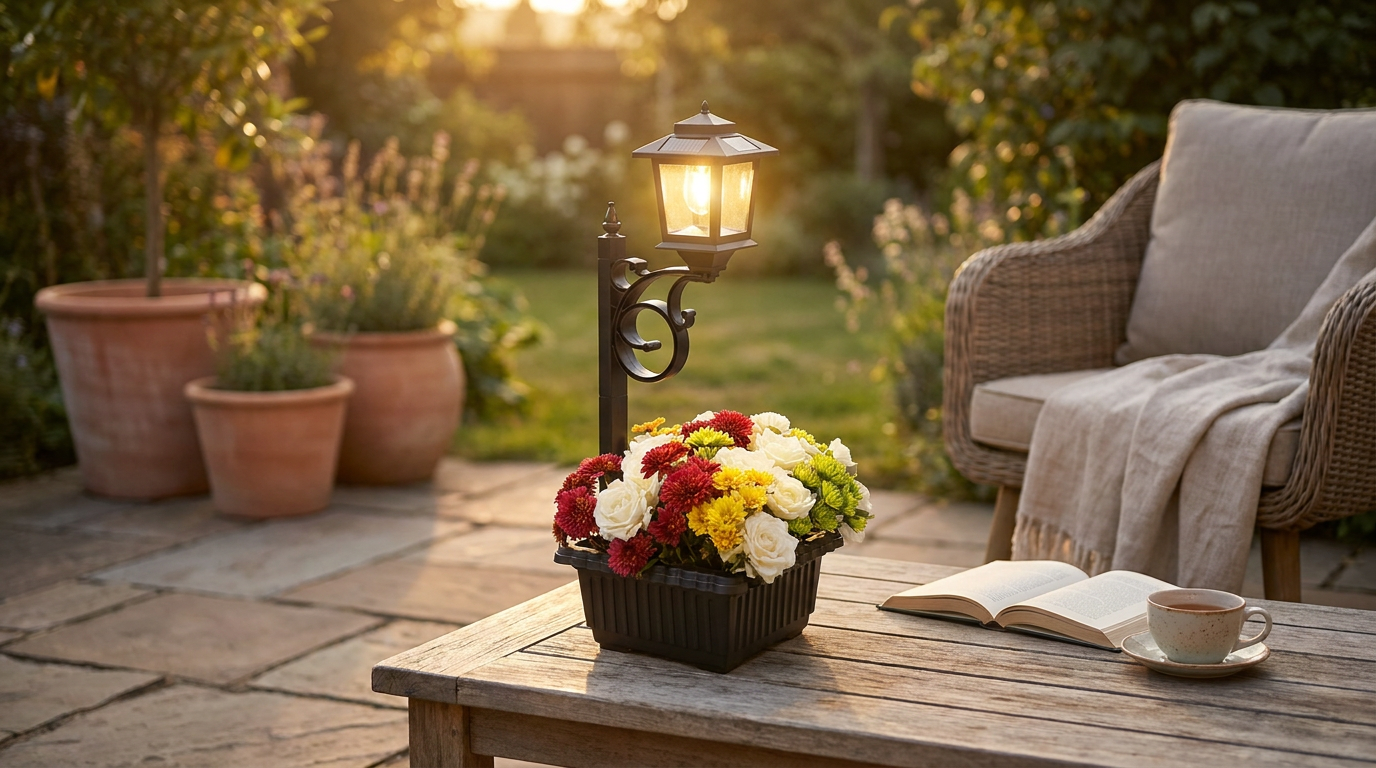
Can a Solar Planter Lamp efficiently light up flower pots?
 Maya ChenContributing Editor
June 24, 2026 — While the Solar Planter Lamp provides a self-sustaining solution for illuminating garden foliage, its efficacy depends entirely on the photoperiod of the installation site rather than the lumen count itself.
The conventional wisdom says that more lumens equate to better garden aesthetics, but this ignores the fundamental energy density problem of integrated solar cells. Homeowners seeking light up flower pots often prioritize aesthetics over the technical limitations of battery storage and solar conversion rates. This matters because a poorly placed solar unit becomes a shadow-casting plastic obstacle rather than a functional light source by midnight.
How do Solar Planter Lamp units compare to wired alternatives?
Solar-integrated planters eliminate the high labor costs and safety risks of 120V trenching, but they operate on a strict energy budget. Here's the part nobody talks about: a wired LED planter can maintain a consistent 500-lumen output indefinitely, whereas a Solar Planter Lamp typically peaks at a lower intensity to ensure the battery lasts through the night. According to Barazzi, illuminated pots can serve as ambient light sources or decorative elements, but the power source dictates the duration of that ambiance. Run the math: a standard solar panel on a planter might generate 2-3 watts in peak sun, which must sustain both the LED driver and the battery reserve. If you are choosing between this and a standard lighting setup, the solar option is a trade-off of raw power for zero-cost operation and mobility.Can light up flower pots actually support plant growth?
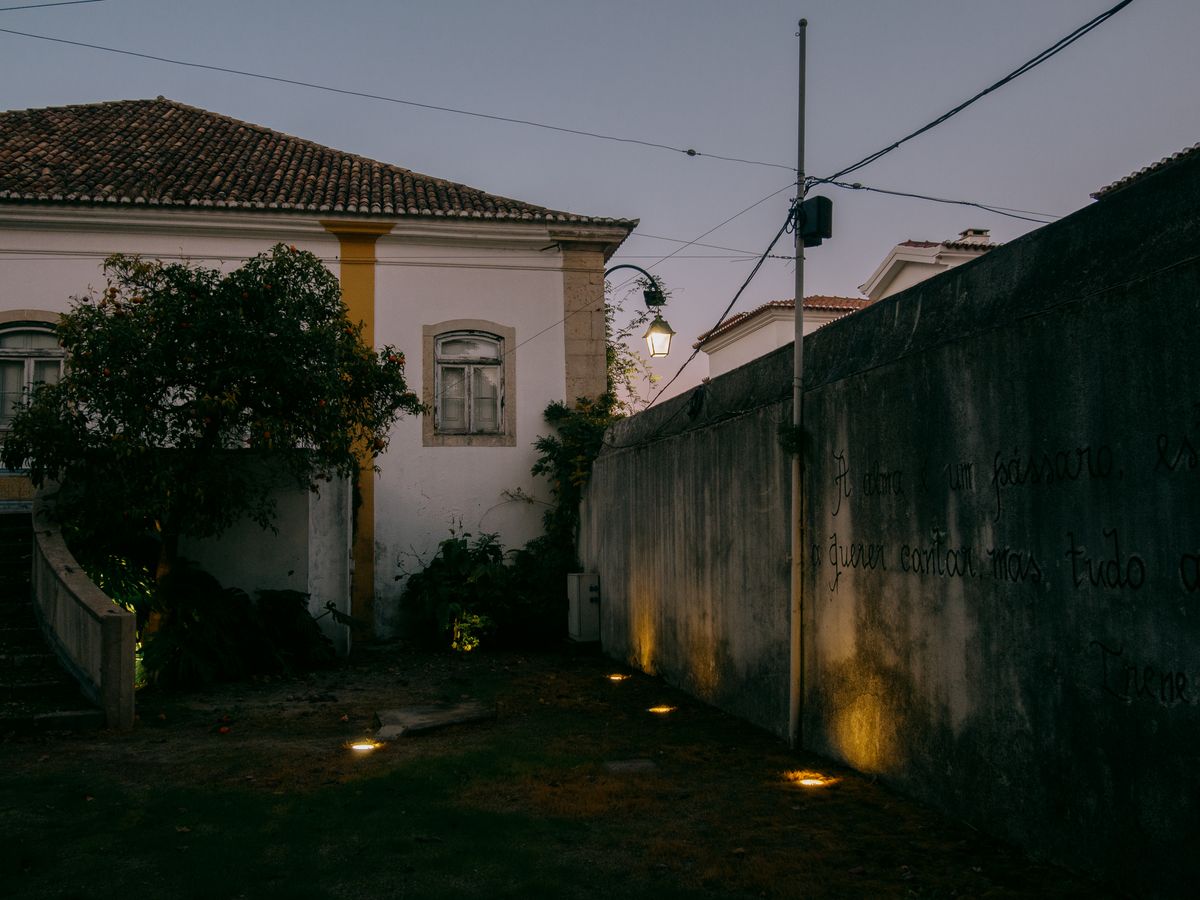
Photo by joao Guerreiro on Pexels
Most light up flower pots are designed for human visibility, not photosynthetic active radiation (PAR), though some specialized hybrids are entering the market. While the Solar Planter Lamp focuses on decorative path and porch illumination, it does not provide the specific red and blue wavelengths required for supplemental growth. Data from Blume Light indicates that stylish LED grow light planters are specifically engineered to show off gardens while aiding plant health, often requiring dedicated power inputs. In contrast, solar-powered versions are primarily for glowing garden pots and aesthetic accents. If the goal is biological support rather than just a porch decoration, the current solar conversion efficiency of small-scale panels is insufficient to power high-PAR LEDs for more than a few hours. I'll change my mind when thin-film solar efficiency exceeds 30%, allowing for growth-spectrum LEDs without an external plug.
Quick answers
Q: Do solar planters work in the shade? / A: No, a Solar Planter Lamp requires a minimum of 6 hours of direct sunlight to reach its rated discharge time. Placing them in full shade results in a 70-90% reduction in light duration.Q: Are light up flower pots waterproof? / A: Most commercial units, including the Solar Planter Lamp, carry an IP44 or IP65 rating. This specifically means they are protected against splashing water and rain, but they cannot be submerged in a pond or pool.
Q: How long do the LEDs in these planters last? / A: The LEDs themselves typically have a lifespan of 20,000 to 50,000 hours. However, the internal 1.2V NiMH or 3.7V Li-ion batteries usually require replacement every 18 to 24 months due to chemical degradation from heat exposure.
Learn more about Solar Planter Lamp at https://solarplanterlamp.com.
Sources
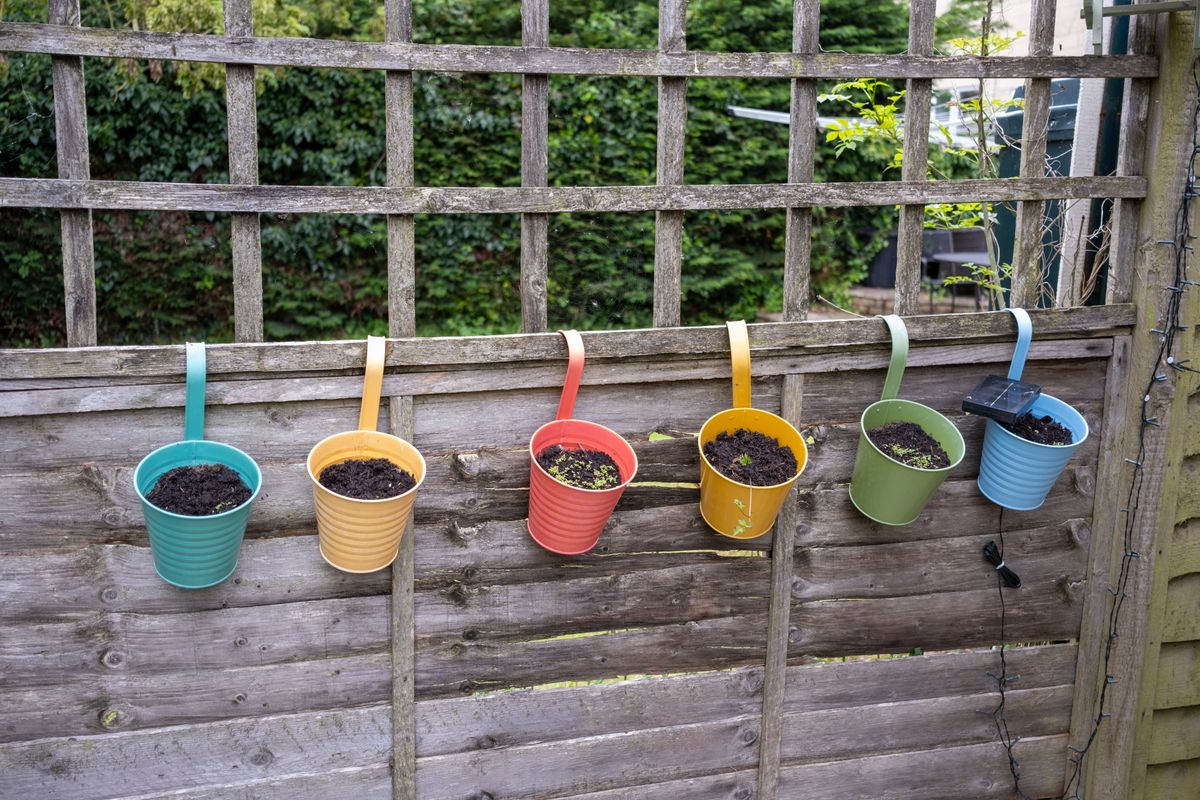
Photo by Ben Prater on Pexels
- Illuminated Pots - Barazzi
- 98 LIGHTED POTS ideas - Pinterest
- Blume Light: Planter with Built in Uplight for Ambiance and Growth ...