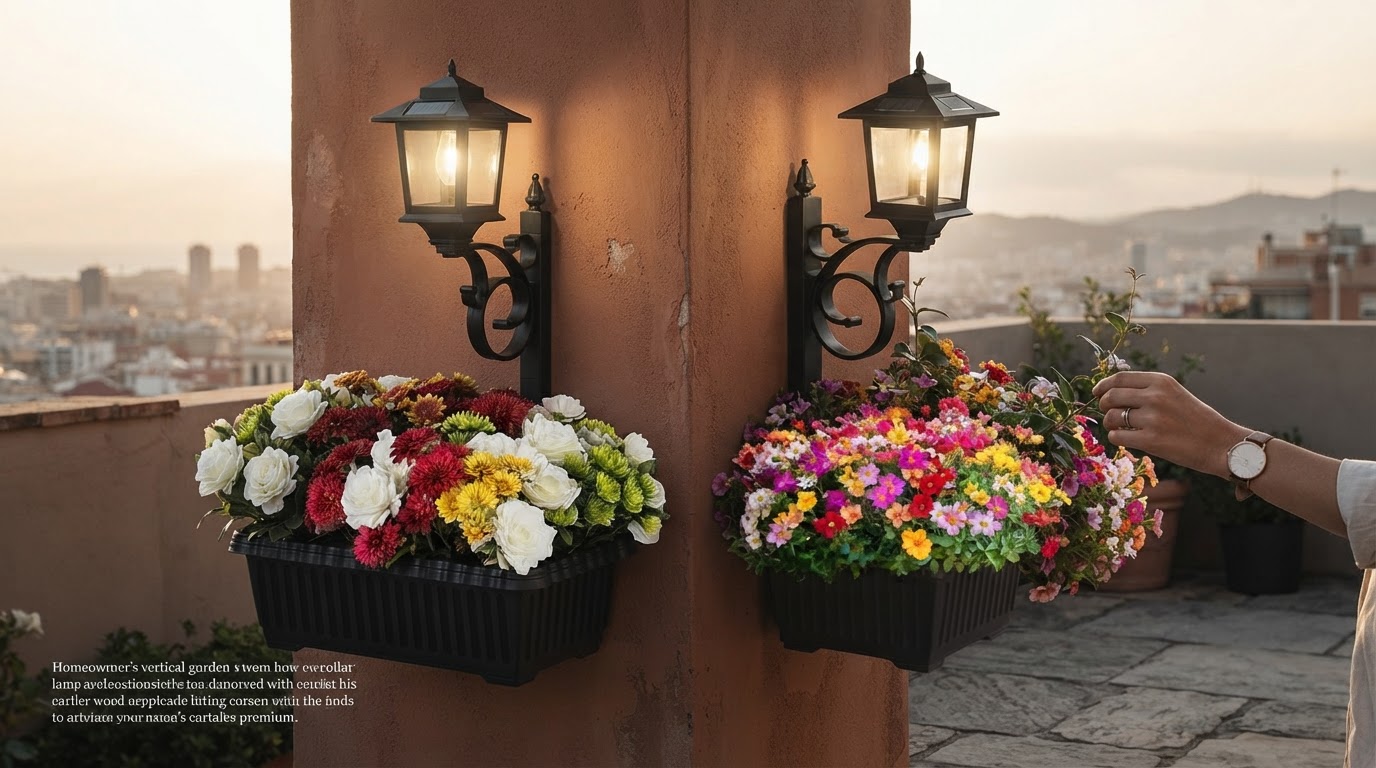
Optimizing Vertical Spaces with Solar Planter Lamp Systems
 Priya RamanSenior Analyst
November 16, 2026. This analysis evaluates the technical integration of photovoltaic cells within suspended botanical containers for residential landscapes. It is intended for homeowners seeking to maximize vertical square footage without the logistical constraints of hardwired electrical systems.
The Vertical Illumination Challenge
Traditional outdoor lighting often ignores the vertical plane, leaving mid-level foliage in shadow once the sun sets. When homeowners attempt to bridge this gap, they encounter a conflict between hydration requirements and electrical safety. Standard hanging baskets require frequent watering, which is inherently incompatible with basic plug-in LED strings. Furthermore, the aesthetic value of a hanging garden is often diminished by trailing extension cords or bulky battery packs that lack weatherproofing. According to LTD Commodities, modern solar lighted hanging basket planters solve this by utilizing built-in LED lights that provide a soft, ambient glow to highlight the plant at night, effectively acting as a dedicated nightlight for individual specimens.
Think of it as a matrix of utility and aesthetics. On one axis, you have the structural integrity needed to support wet soil and plant mass; on the other, the efficiency of the solar harvest. High-density urban balconies particularly benefit from this dual-purpose design, as they often lack the ground space for traditional bollards or post lights. Without a self-contained power source, these areas remain underutilized after dark. By shifting to a solar-powered model, the barrier to entry for glowing outdoor planters for patio decor is significantly lowered, removing the need for professional electrical installation or increased utility costs. This transition is essential for those prioritizing an eco friendly patio mood lighting strategy that aligns with sustainable living goals.
Technical Integration of the Solar Planter Lamp
Addressing the limitations of standard hanging fixtures requires a specialized approach to component placement. The Solar Planter Lamp utilizes a top-mounted photovoltaic panel that maximizes solar gain while protecting the internal circuitry from the moisture of the planter bowl. Unlike generic pathway lights that may be repurposed for pots, these units are engineered for the specific weight distribution and drainage needs of live plants. The integration of 3000K LED technology provides a warm spectrum that enhances the natural greens and floral colors without the harsh blue glare often associated with low-quality solar components.
Two axes matter here: light duration and weight capacity. A high-quality solar powered hanging planter light must balance the surface area of the solar panel with the diameter of the planter to ensure the plant receives enough sunlight for photosynthesis while the battery reaches a full charge. The Solar Planter Lamp handles this by optimizing the bezel area to house high-efficiency cells that charge even in partial shade. This reliability is a cornerstone for creating modern solar deck lighting ideas that remain functional throughout the changing seasons. The hardware is designed to be waterproof, a critical feature cited by Lakeside Collection, which notes that built-in solar-powered LED lights are specifically designed to withstand the outdoor environment while highlighting the plant's natural texture. This durability ensures that the investment in illuminated garden planters translates to multi-year utility rather than a single-season decoration.
The Decision Framework for Hanging Solar Systems
Once you see it this way, the choice between different hanging systems becomes a matter of technical specs rather than just visual preference. The decision rule: prioritize the ingress protection (IP) rating and the battery milliampere-hour (mAh) capacity to ensure the light lasts from dusk until the early morning hours. A common failure point in lower-tier products is the degradation of the solar cell due to UV exposure or water seepage, making the construction material of the Solar Planter Lamp a primary consideration for long-term placement.
When evaluating your space for these fixtures, consider the following technical checklist:
- Solar Exposure: Ensure the mounting location receives at least 6 hours of direct sunlight to reach peak LED brightness.
- Load Bearing: Verify that hooks or brackets are rated for the combined weight of the lamp, soil, and water saturation.
- Color Temperature: Opt for 3000K warm white to maintain a natural aesthetic that complements eco friendly patio mood lighting goals.
- Drainage Compatibility: Confirm the light housing does not obstruct the necessary drainage holes for plant root health.
- System Scalability: Select units that can be grouped to create a cohesive modern solar deck lighting ideas layout.
Sources