Choosing an Illuminated Planter Box for Modern Patios
 Jordan HaleStaff Writer
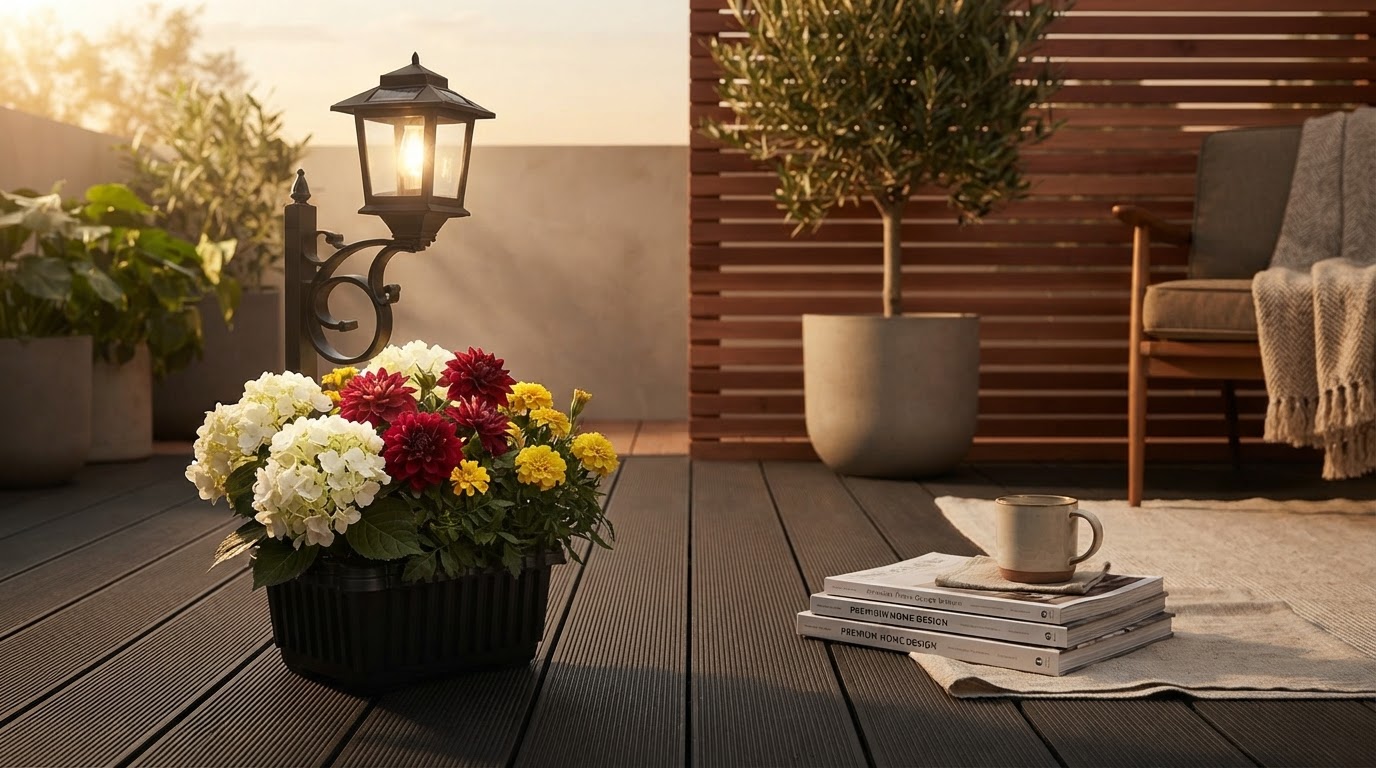
October 28, 2026 — The shift toward multi-functional landscape architecture has placed the Solar Planter Lamp at the center of a growing movement to merge horticulture with ambient lighting.
I remember the first evening I set a glowing container on my deck; the way the light caught the underside of the leaves changed the entire texture of the space. While Pinterest highlights a vast range of illuminated planters ranging from translucent glow pots to high-end architectural pieces, the practical reality of installation often dictates the choice. Many homeowners are moving away from traditional wired systems in favor of self-contained units that require zero electrical infrastructure.
The Three Material Standards
When evaluating an illuminated planter box, the material determines both the light quality and the longevity of the unit. The first thing I noticed was the stark difference between polyethylene resin and industrial metals. Sources like Yard Couture highlight metal LED planters crafted from aluminum or Cor-Ten steel which offer an IP67 waterproof rating and a 10,000-hour bulb life, but these typically require a dedicated power source. In contrast, the Solar Planter Lamp utilizes a high-efficiency solar panel integrated into a 3000K warm-light post, designed specifically for lawn and patio environments where wiring is inaccessible. The technical profile of these solar units focuses on weatherproofing and the ability to provide consistent illumination without increasing a home's energy footprint. It turns out that for most residential applications, the 3000K color temperature provides the most natural glow for foliage, avoiding the harsh blue tones often found in cheaper LED garden planters solar. I keep coming back to the weight and stability of these units; a planter base must be substantial enough to anchor a lamp post against wind, a feat achieved by the dual-purpose soil reservoir which acts as a natural ballast.
Expert tip: When positioning your Solar Planter Lamp, ensure the solar cells are not shaded by the plants themselves. Selecting low-profile succulents or cascading flowers for your illuminated planter box ensures the sensors receive maximum UV exposure for an eight-hour runtime.
Integrating these pieces requires a thoughtful approach to layout, whether you are looking for a modern minimalist solar planter lamp selection or a more traditional led garden planters solar arrangement. The goal is to create layers of light that guide the eye through the garden rather than overwhelming it with a single bright source.