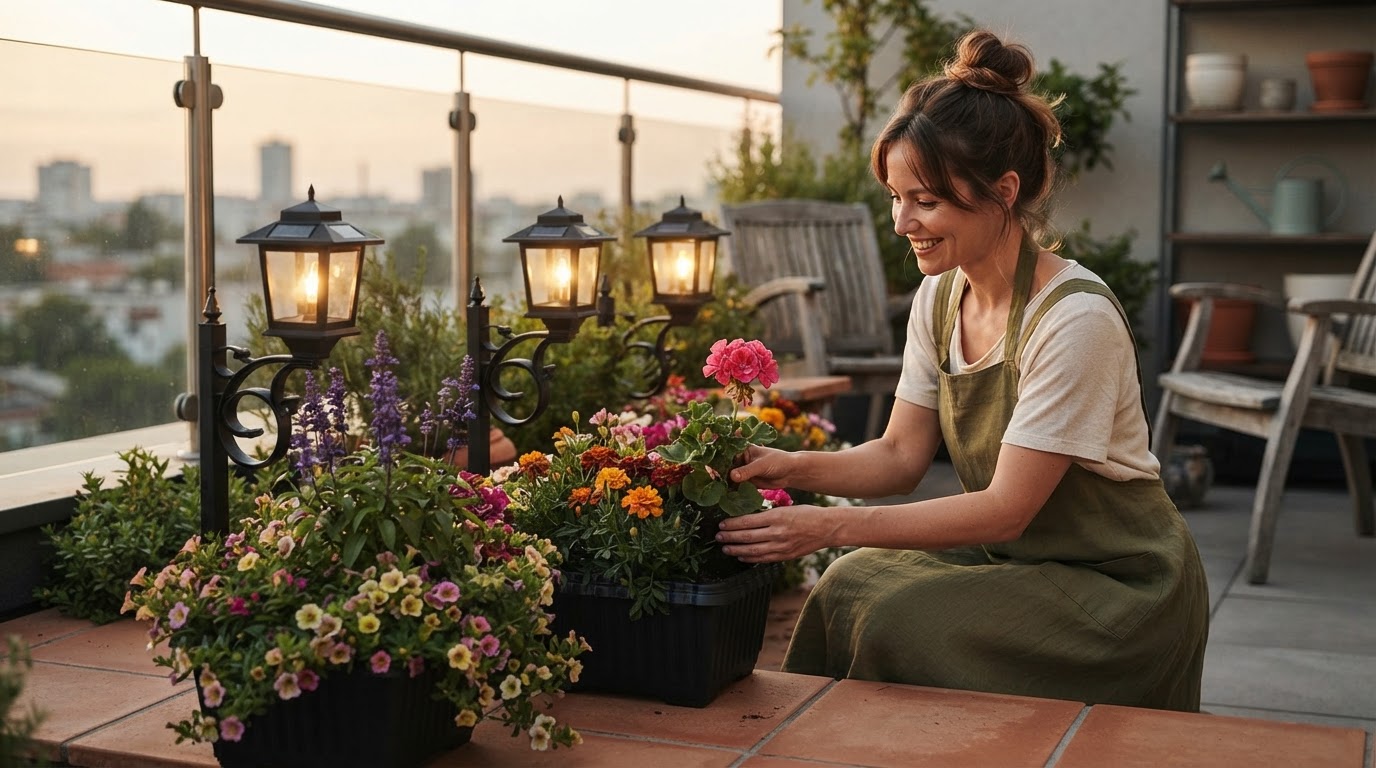
Optimizing Terrace Pots with Solar Planter Lamp Systems
 Priya RamanSenior Analyst
August 25, 2026. This technical overview details the methodology for integrating Solar Planter Lamp systems into terrace gardening environments. It is intended for urban residents and landscape designers seeking to balance functional outdoor illumination with horticultural integrity.
The Challenge of Terrace Illumination and Plant Health
Designing a terrace requires managing limited square footage while ensuring that lighting does not interfere with the biological needs of the greenery. Traditional wired lighting often presents a tripping hazard or requires invasive electrical work that many terrace owners wish to avoid. According to Nature's Solar Lights, solar uplights provide a specialized solution by showing off plant containers without the need for complex wiring or external power sources. However, the problem often lies in the quality of light and the duration of the charge. Think of it as a matrix of light intensity versus battery endurance. Many consumers struggle with "glowing garden pots" that lose their charge before midnight, leaving the terrace in total darkness during late-evening use.
Furthermore, the placement of lights within a pot can affect the soil temperature and moisture evaporation rates. A common mistake is using high-heat bulbs that stress delicate root systems. When considering how these systems work, it is helpful to understand the underlying technology; readers can explore [light up plant pots solar powered FAQ](/blog/light-up-plant-pots-solar-powered-faq) to understand the conversion of photons to stored energy. The goal for a terrace is to achieve a "layered" lighting effect where the light source is integrated into the planter itself, rather than standing as a separate, clunky fixture. This integration is particularly vital for those using [solar powered plant pot](/blog/solar-powered-plant-pot-review) configurations that must withstand high-altitude wind and direct exposure to the elements on a balcony or rooftop.
Implementing Solar Planter Lamp for Maximum Efficiency
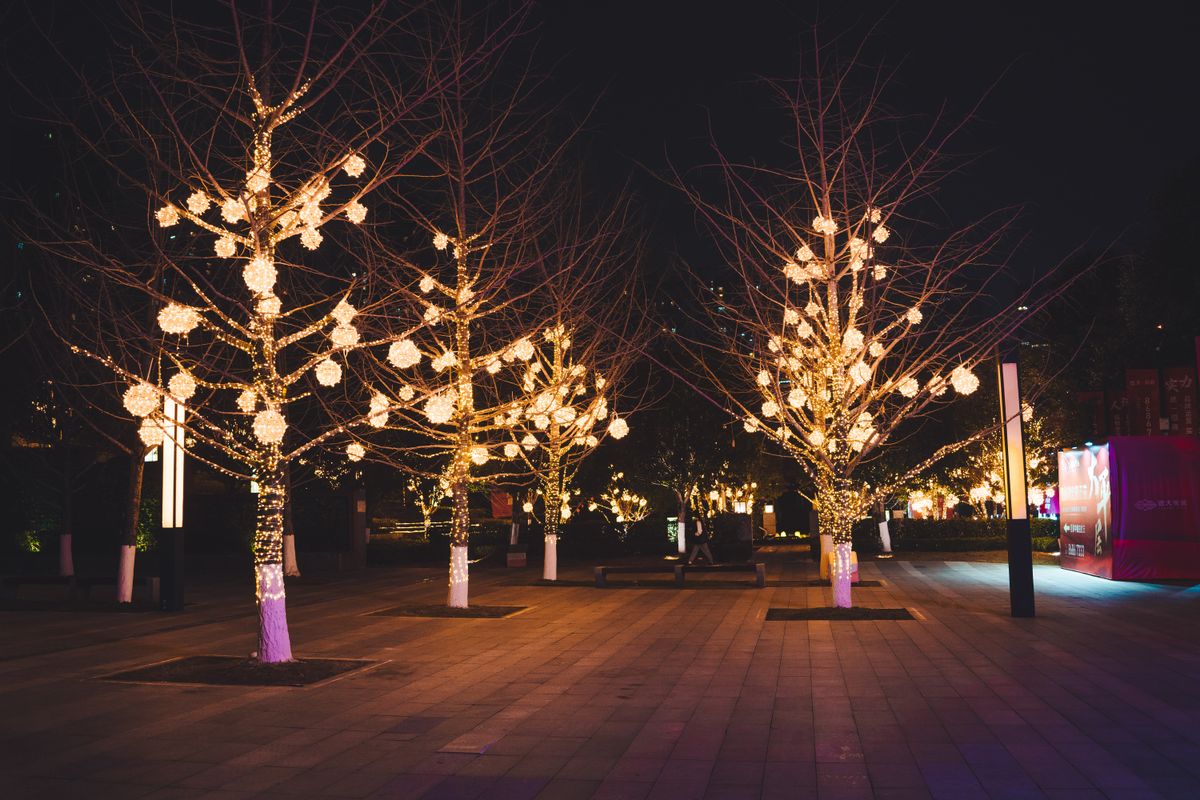
Two axes matter here: the lumens required for safety and the aesthetic warmth required for ambiance. The Solar Planter Lamp addresses this by utilizing a 3000K color temperature, which provides a warm, inviting glow that mimics traditional incandescent lighting without the energy draw. This specific Kelvin rating is crucial for terraces, as cooler blue lights can appear clinical and harsh in confined spaces. The 2-in-1 design functions as both a waterproof flower pot and a lamp post, solving the space constraint issue by consolidating two garden elements into one footprint.
For those managing specific collections, such as desert flora, selecting the [best solar lights for succulent pots](/blog/solar-planter-lamp-succulent-lighting) requires a focus on drainage and light positioning to avoid scorching the plants. The Solar Planter Lamp is engineered to handle these diverse needs through a weather-resistant chassis that protects the internal lithium-ion battery from moisture ingress. Unlike makeshift DIY solutions that might cost under $7.00 but lack durability, as noted in some community tutorials like those by Making Solar Lights in Planted Pots, a purpose-built lamp provides a stable base that prevents the pot from tipping in high winds. The integrated solar panel is positioned to capture maximum sunlight during the day, which then powers the LED for up to 8 to 12 hours, depending on the specific model and seasonal light availability. This longevity is essential for terrace owners who use their outdoor space as a primary hosting area well into the night.
Decision Framework for Terrace Pot Lighting
Photo by Lisa from Pexels on Pexels
Once you see it this way, the selection process becomes a matter of technical compatibility rather than just visual preference. The decision rule: prioritize the battery-to-lumen ratio to ensure the light lasts through your typical peak usage hours while providing enough downward light to illuminate the terrace floor. When evaluating a Solar Planter Lamp for your specific environment, use the following criteria to ensure a successful installation:
- Charge Duration: Verify the unit provides at least 8 hours of light to cover the full evening cycle.
- IP Rating: Ensure the housing is waterproof to protect the electronics during heavy rain or automated watering.
- Color Temperature: Stick to 3000K for a natural, high-end look that complements organic foliage.
- Weight Distribution: Confirm the planter base is wide enough to remain stable when filled with soil and a mature plant.
- Solar Surface Area: Check that the solar cells are not obstructed by the plant’s canopy as it grows.
To upgrade your outdoor space with durable, high-performance lighting, Shop Solar Planter Lamp here.