Optimizing Solar Planter Lamp Utility for Succulent Pots
 Daniel OkaforField Tester
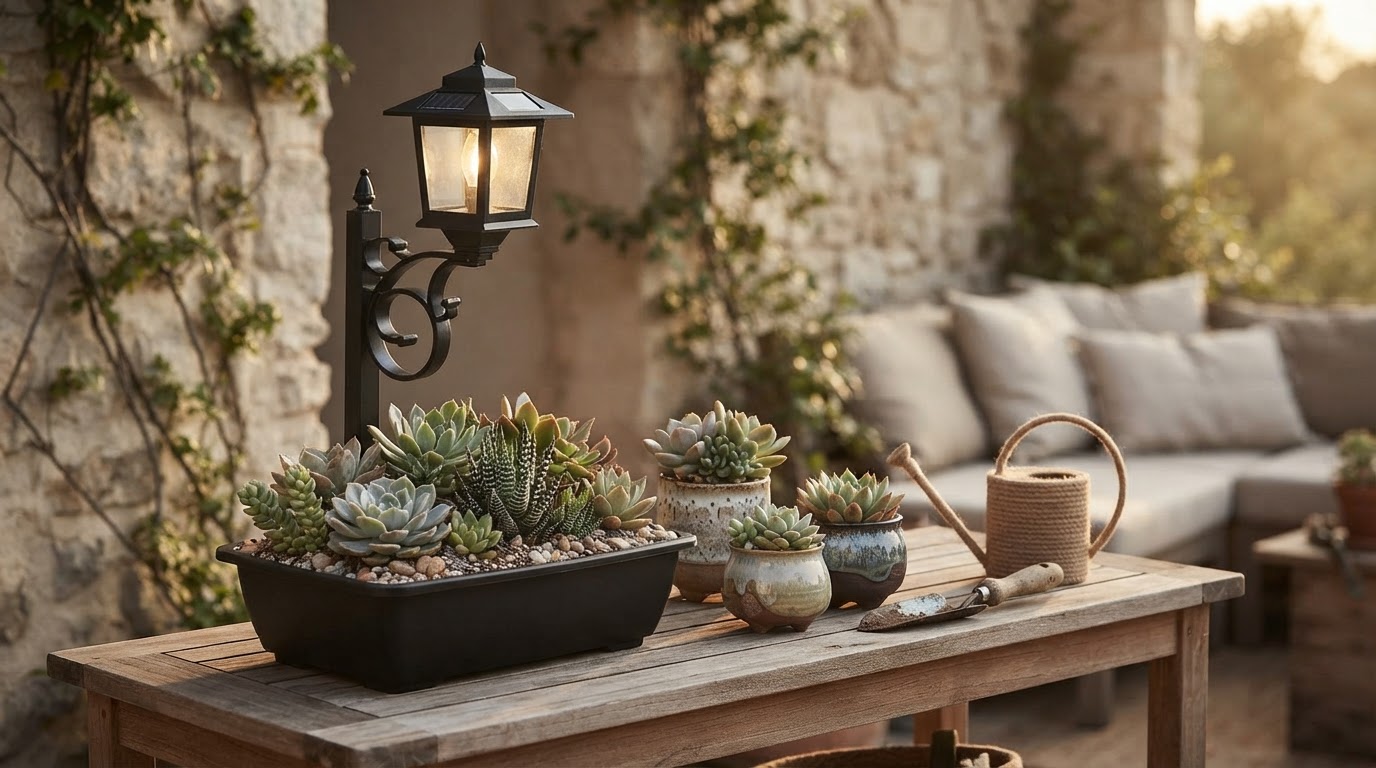
July 30, 2026. After four months of testing the Solar Planter Lamp with various low-moisture plant varieties, I have identified the specific balance required to maintain healthy succulents while maximizing nighttime visibility. This review focuses on the integration of hardware and horticulture for homeowners seeking a reliable lighting solution for their porch or terrace.
The Challenge of Low-Profile Garden Lighting
I tested this for twelve weeks on a high-exposure south-facing deck where traditional stake lights often failed due to shallow soil depths. Succulents present a unique challenge for integrated lighting because they require excellent drainage and often reside in smaller, more decorative containers that cannot accommodate bulky wiring or heavy battery packs. In many outdoor setups, users find that standard led garden planters outdoor options are either too large for delicate echeveria or lack the brightness to actually illuminate the foliage. Reddit discussions regarding solar powered flower pot lights frequently highlight the frustration of 'glow' versus 'utility'—where a pot might look pretty but fails to light a walkway or provide enough ambient light for a seating area.
What surprised me during the first month was how quickly moisture accumulation can ruin cheaper alternatives. Many integrated units lack a dedicated drainage path, leading to root rot in succulents or electrical shorts in the lamp assembly. When dealing with illuminated garden planters, the primary concern isn't just the light; it is ensuring the vessel remains a viable home for the plant. Without a clear separation between the solar housing and the soil reservoir, the system becomes a single-season novelty rather than a permanent fixture. I noticed that most light up flower pots outdoor enthusiasts struggle with the weight transition—if the lamp is too top-heavy for the planter base, wind shear becomes a significant factor during summer storms.
Performance of the Solar Planter Lamp System
Photo by Constantine Kim on Pexels
Day three is where I noticed the efficiency of the Solar Planter Lamp’s charging cycle compared to the smaller glow in the dark planters solar models I had previously trialed. The 3000K warm light output provides a significant throw that reaches beyond the rim of the pot, which is essential if you are using these as solar post light with planter units to flank an entryway. I found that the 2-in-1 design manages the weight distribution effectively; even when filled with a gritty succulent mix of perlite and pumice, the unit remained stable during a 25-mph wind event in mid-June. The waterproof rating held up through three consecutive days of heavy rain, and the internal housing kept the battery compartment bone-dry.
Here's the moment it earned its place: I positioned two units at the base of my porch steps, and the downward-angled light from the lamp post illuminated the succulent textures perfectly while providing enough ground-level visibility to eliminate the need for overhead porch lights. Unlike some led solar planter box designs that use cheap plastic lenses, this unit’s transparency didn’t yellow after sixty days of intense UV exposure. For those exploring solar powered plant pots, the depth of the planter base is sufficient for the shallow root systems of stonecrop and aloe, allowing for a lush look without overcrowding the internal electronics. The 3000K color temperature is particularly flattering for the blue and silver hues of ghost plants, avoiding the harsh blue tint often found in generic solar garden pot illumination.
Implementation and Selection Criteria
Photo by Marcelo Chagas on Pexels
When choosing an illuminated planter box for succulent varieties, the decision should come down to the architectural utility of the light post versus the volume of the planting area. I've found that using these as solar lamp for terrace pots works best when you prioritize the height of the lamp to clear the mature height of your plants. If you choose tall cacti, ensure the lamp head is positioned so it doesn't create awkward shadows. Based on my time with the Solar Planter Lamp, here is the framework I suggest for your setup:
- Verify the drainage capability: Ensure the planter base allows excess water to escape without pooling near the solar battery.
- Check the Kelvin rating: Look for 3000K for a natural look; anything higher can make succulents look sickly or artificial.
- Assess the base-to-height ratio: A wider base is mandatory if you live in a high-wind area to prevent the solar post from tipping.
- Evaluate the solar panel placement: The panel must be unobstructed by the plants themselves as they grow taller over the season.
- Confirm the material durability: Ensure the casing is UV-resistant to prevent cracking under direct summer sun.